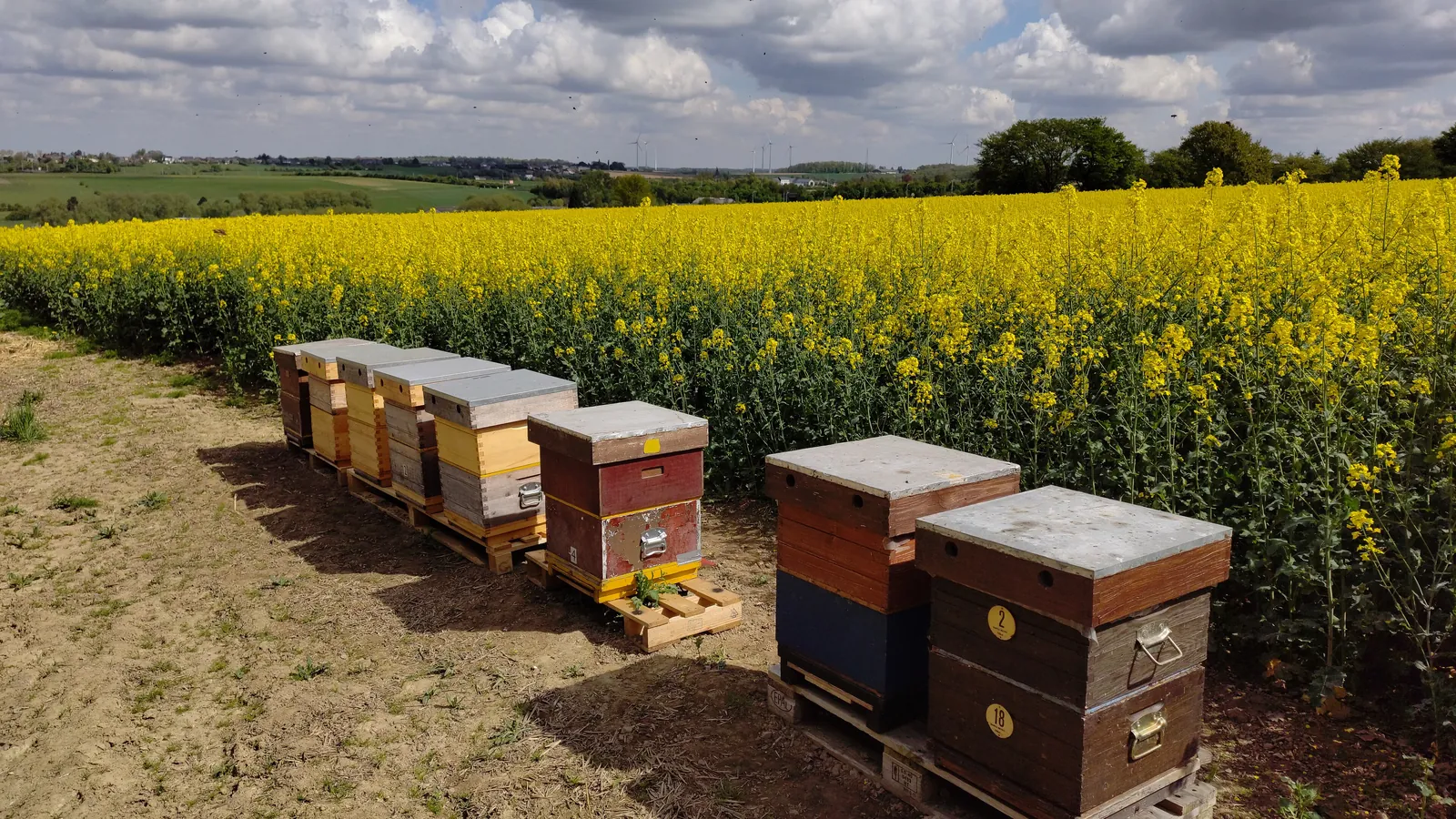
Beekeeping is about staying ahead: whatever you do today shows up three to six weeks later. Add space too late and you get a swarm; treat for mites too late and you lose the colony in February. This calendar puts the whole beekeeping year into one picture — what to do each month and what to watch for so you are never behind.
How to use this calendar
The timings here are for a temperate climate with cold winters — think central and northern Europe, the northern US or southern Canada. But a beekeeping calendar runs on weather, not dates: in an early year willows bloom in late March, in a late one in mid-April. A couple of hundred kilometres north or a few hundred metres of altitude can shift everything by two weeks.
That is why it pays to follow phenology — the seasonal events in nature around you. Willow and coltsfoot in bloom: get ready for the first inspection. Dandelions out: time for foundation. Lime trees opening: your supers should already be on. The months below describe a typical year; your local plants will tell you more precisely.
Month-by-month tasks
- JanuaryThe colony sits in a cluster and uses roughly a kilogram (2 lb) of stores a month. Listen to the hives every two or three weeks: a quiet, even hum is normal. Keep entrances clear of snow and dead bees, and don't knock on the boxes.
- FebruaryStrong colonies start raising brood and consumption rises. A restless roar or bees crawling out at the entrance mean hunger or disease. If stores are short, put fondant directly over the cluster.
- MarchSnow melts, and on a warm, still day bees make their first cleansing flight. Check that every colony flies and look for dysentery streaks on the hive fronts. Set up a water source and get clean floors ready.
- AprilWillow, coltsfoot and maple in bloom. First full inspection: queen, brood, stores, strength. Reduce and insulate the brood nest, swap floors, unite weak colonies. The colony is at its lowest as winter bees are replaced by young ones.
- MayFruit trees, dandelion, oilseed rape. Expand the nest with drawn comb and foundation, add drone frames for mite control. From mid-month watch for swarm cells and prepare splits.
- JunePeak swarming season and the best window for queen rearing. Inspect every 7 days, make splits, add supers. Black locust (in the south), raspberry and clover in bloom; in some areas there is a short June gap.
- JulyThe main flow: lime (linden), buckwheat, fireweed. Give room for nectar on time and extract as honey ripens. When the flow ends, take off supers and start the first mite treatment.
- AugustFinal harvest, mite treatment, reducing the nest for winter and starting to feed. Narrow the entrances — robbing starts when the flow stops. Heather, goldenrod and late clover in bloom.
- SeptemberFinish feeding by mid-month, insulate, fit mouse guards. A last look before winter: how many seams of bees, where the stores are, whether the queen is laying.
- OctoberLast cleansing flights. Leave colonies alone. Prepare the wintering shed, if you use one: dry, ventilated and mouse-proof.
- NovemberOnce cold weather sets in, move hives into the shed or finish insulating them outdoors. The broodless period is the time for a late mite treatment.
- DecemberRest. Listen to the hives once a month and keep an eye on the shed temperature. Render wax, repair equipment, sort combs and plan next season.
Spring: cleansing flight, inspection, expansion
Spring decides what the colony will be like at the main flow. The beekeeper's job is to help it replace old winter bees with young ones as quickly as possible and build up strength.
The cleansing flight comes on the first calm, sunny day when the shade temperature reaches about 12 °C (54 °F). Bees that have held on all winter void their guts and reorient. Watch the hives: lively flight is a good sign; weak or no flight means that colony should be the first one you open.
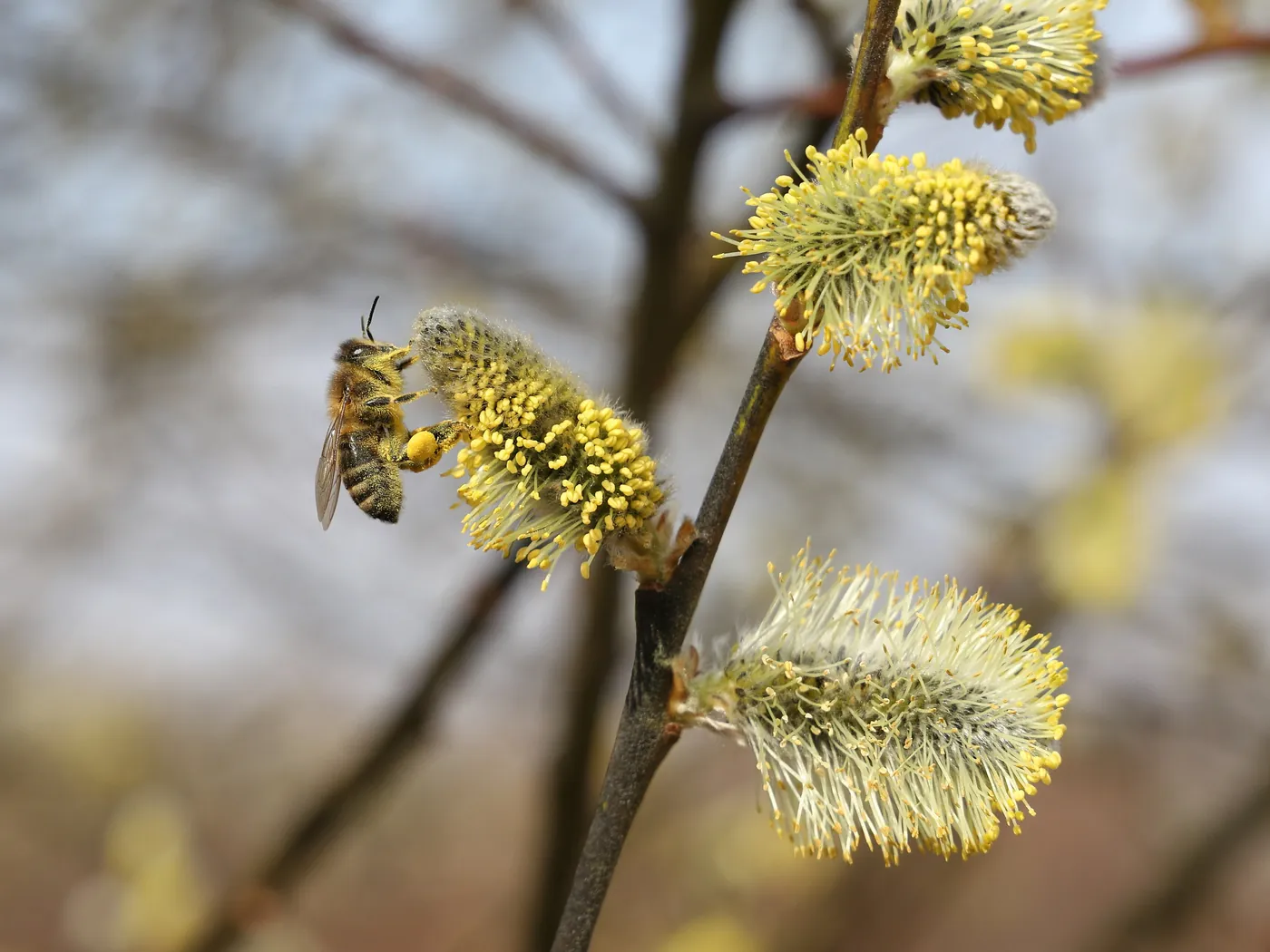
The first full inspection is done on a warm, windless day at 14–15 °C (57–59 °F) or more, usually while willows bloom. Work quickly and don't keep frames out in the cold.
- Queen. No need to find her: eggs and young larvae mean she is there and laying.
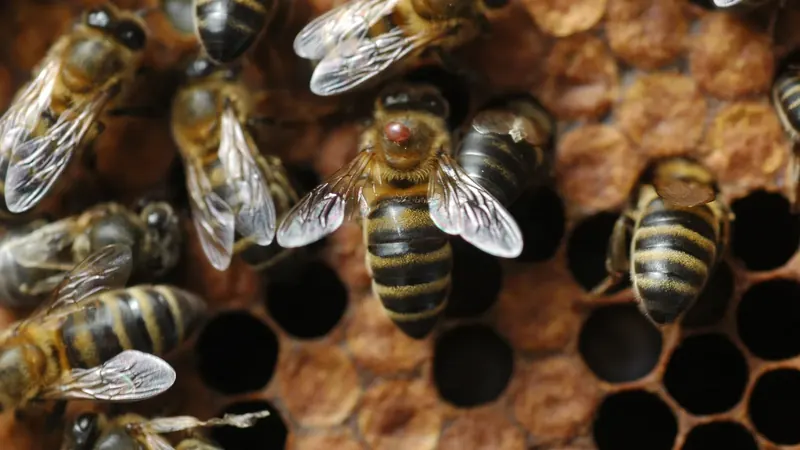
- Brood. A solid pattern of capped brood shows a good queen. Bullet-shaped drone brood in worker cells means a drone-laying queen or laying workers.
- Stores. You want at least two full frames of honey in reserve. Less than that — add a frame of honey from your stock or give fondant.
- Strength. Count the seams of bees. Remove surplus frames so the nest stays tight and warm.
- Hygiene. Swap the floor for a clean one, clear dead bees, replace mouldy combs.
Expansion starts when bees cover every frame and the queen is running out of space to lay. First add drawn comb; once nectar is coming in, add foundation — bees only draw it when there is a flow and plenty of young bees. A drone frame in May gives the colony an outlet for comb building and helps cut mite numbers: capped drone brood is cut out and removed.
Before the flow: swarms, queens, splits
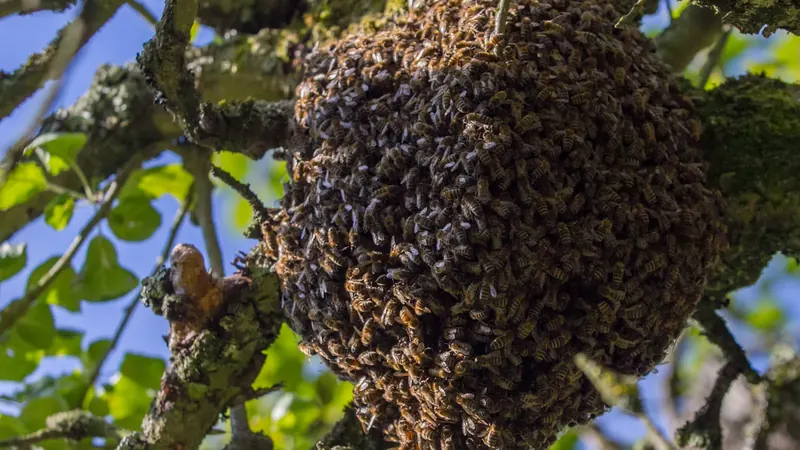
From mid-May to late June colonies grow fastest — and this is exactly when the swarming impulse kicks in. A crowded nest, lots of idle young bees, an old queen, hot weather — and queen cups appear along the comb edges, then swarm cells with larvae.
Anything that gives bees space and work helps prevent swarming: timely expansion, foundation, supers, splits, young queens. From mid-May inspect strong colonies every 7 days — about eight days pass from an egg in a queen cell to the cell being capped, and the prime swarm usually leaves around that moment. Signs and methods are covered in detail in our article on swarming.
Queen rearing and splits work best in the late May–June window: a steady light flow, reliably warm weather and plenty of mature drones flying. A queen takes 16 days from egg to emergence and then needs about another week for mating flights. The dates for grafting, capping and emergence are easy to work out with the queen rearing calendar.
The main flow and harvest
In a temperate climate the main flow usually falls in late June and July: lime, buckwheat, fireweed, and raspberry near woodland. It is short: lime yields nectar for 10–15 days, and a beekeeper who hasn't given the colony room loses most of the crop.
- Supers or second brood boxes go on before the main forage plant starts blooming.
- Add the next super when bees have occupied and are filling most frames in the last one.
- Entrances fully open and the hive well ventilated — bees need to evaporate water from nectar.
- Extractor, uncapping knives, buckets and an extraction room ready in advance.
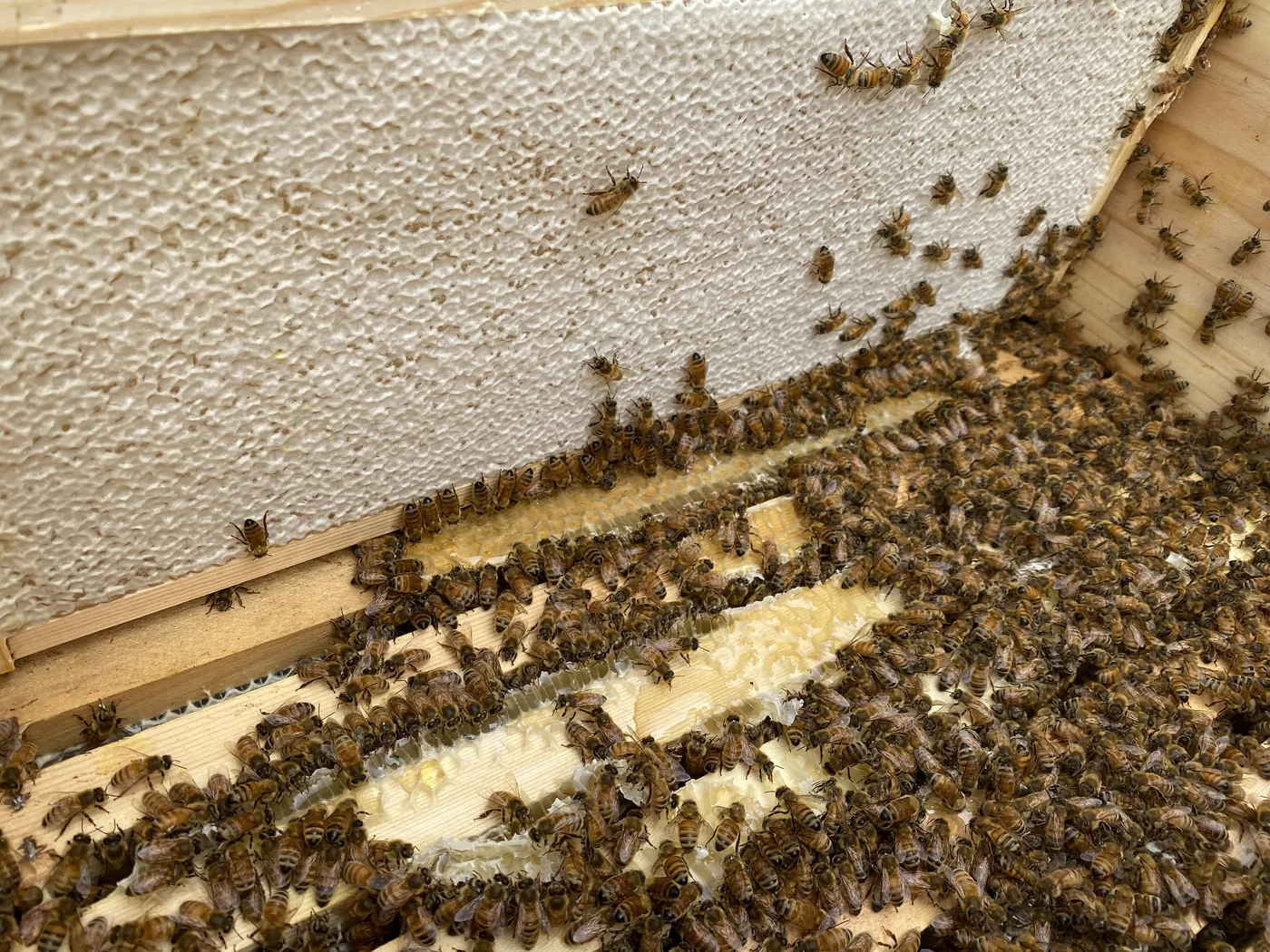
Only extract ripe honey: as a guide, at least half the frame should be capped. Unripe honey holds too much water and can ferment. Oilseed rape honey is extracted straight away, not at the end of the season — it can set solid in the comb within a couple of weeks. After extraction, return wet supers to the hives in the evening rather than leaving them out in the open, or you will trigger robbing.
Forage plants through the season
Forage plants either support the colony — feeding it and fuelling build-up but giving little surplus — or provide the main flow that decides the year's crop. The bloom times below are approximate for a temperate climate.
| Plant | Bloom | Value |
|---|---|---|
| Coltsfoot, willow | late March — April | build-up; first pollen for brood |
| Norway maple | late April — early May | build-up, noticeable in warm weather |
| Fruit trees | May | build-up |
| Dandelion | May | build-up, lots of pollen |
| Winter / spring oilseed rape | late May — June / July | can give a main flow |
| Black locust | late May — June | main flow only in warmer areas |
| Raspberry | mid-June — July | main flow near woodland |
| White clover, sweet clover | June — August | supporting; sweet clover is productive |
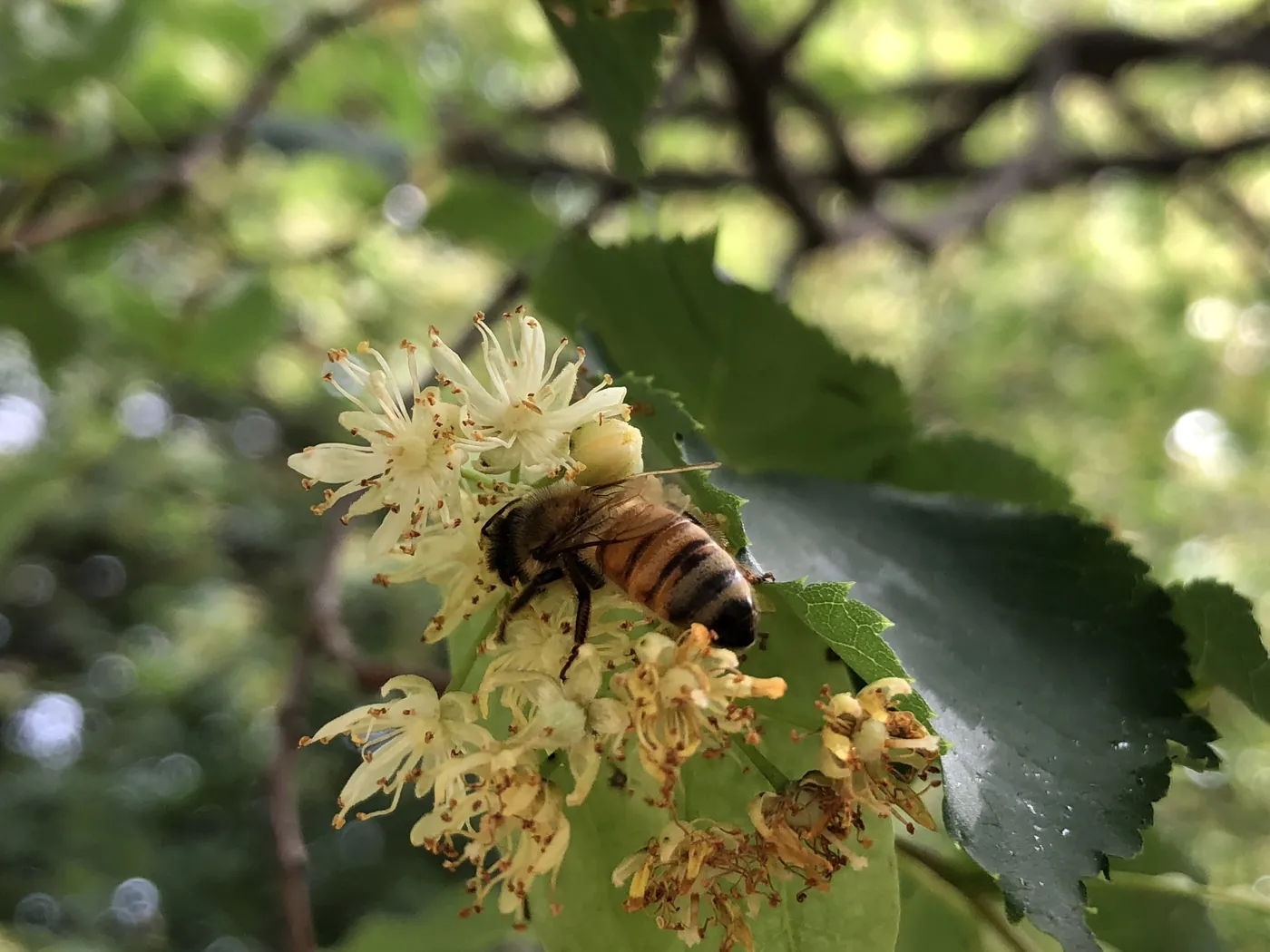
| Small-leaved lime (linden) | late June — mid-July | main flow, but weather-dependent |
| Buckwheat | July — August | main flow, yields nectar in the morning |
| Fireweed (rosebay willowherb) | July — August | main flow on clearings and burns |
| Phacelia (sown) | 5–7 weeks after sowing | fills a dearth |
| Heather, goldenrod | August — September | late, supporting |
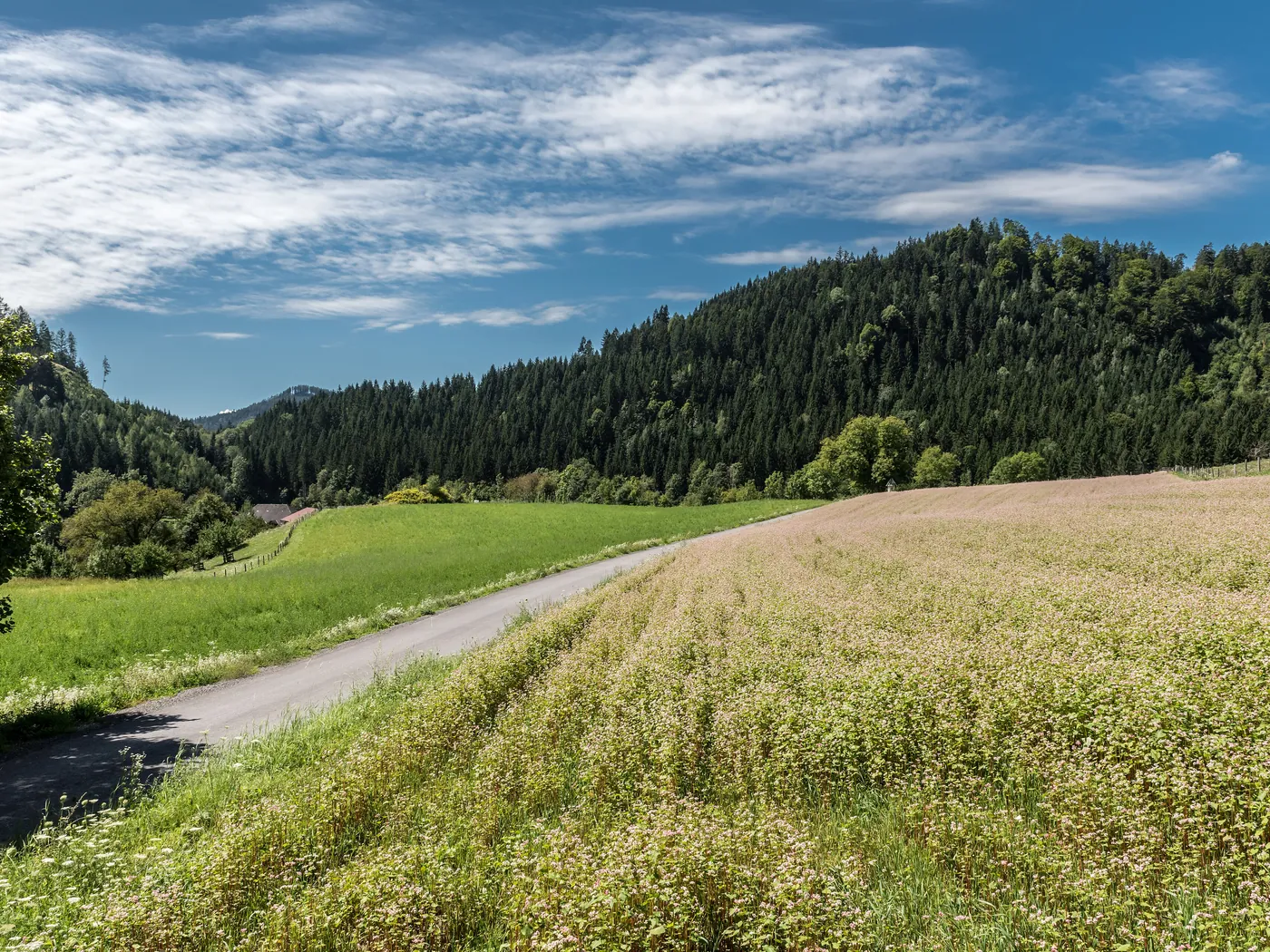
Oilseed rape and orchards are often sprayed with pesticides — ask the farmer to warn you in advance so you can restrict flight during spraying. Heather honey is so thick that it is not left as winter stores: the clustered bees struggle to use it.
Autumn and winter: setting up next year
Beekeepers say the new season starts in August. This is when the colony raises its winter bees, which will live until spring — and their number and health decide whether the colony survives.
Mite treatment
Right after the supers come off, usually in late July or August, comes the main varroa treatment: winter bees need to be raised mite-free. Products based on formic or oxalic acid, thymol or amitraz are used — strictly following the product label and the rules in your country. A second treatment is often given in late autumn, when the colony is broodless and all the mites are riding on the bees. Methods and mite counts (sugar roll, alcohol wash, natural mite drop) are covered in our article on varroa.
Reducing the nest and feeding
In August and early September the nest is reduced to the frames the bees cover densely. Keep light-brown combs with honey and pollen; cull old dark ones. A colony in a cold-winter climate needs 20–25 kg (45–55 lb) of stores. Top up shortfalls with thick sugar syrup, and aim to finish feeding by mid-September so the bees can process and cap it while it is still warm.
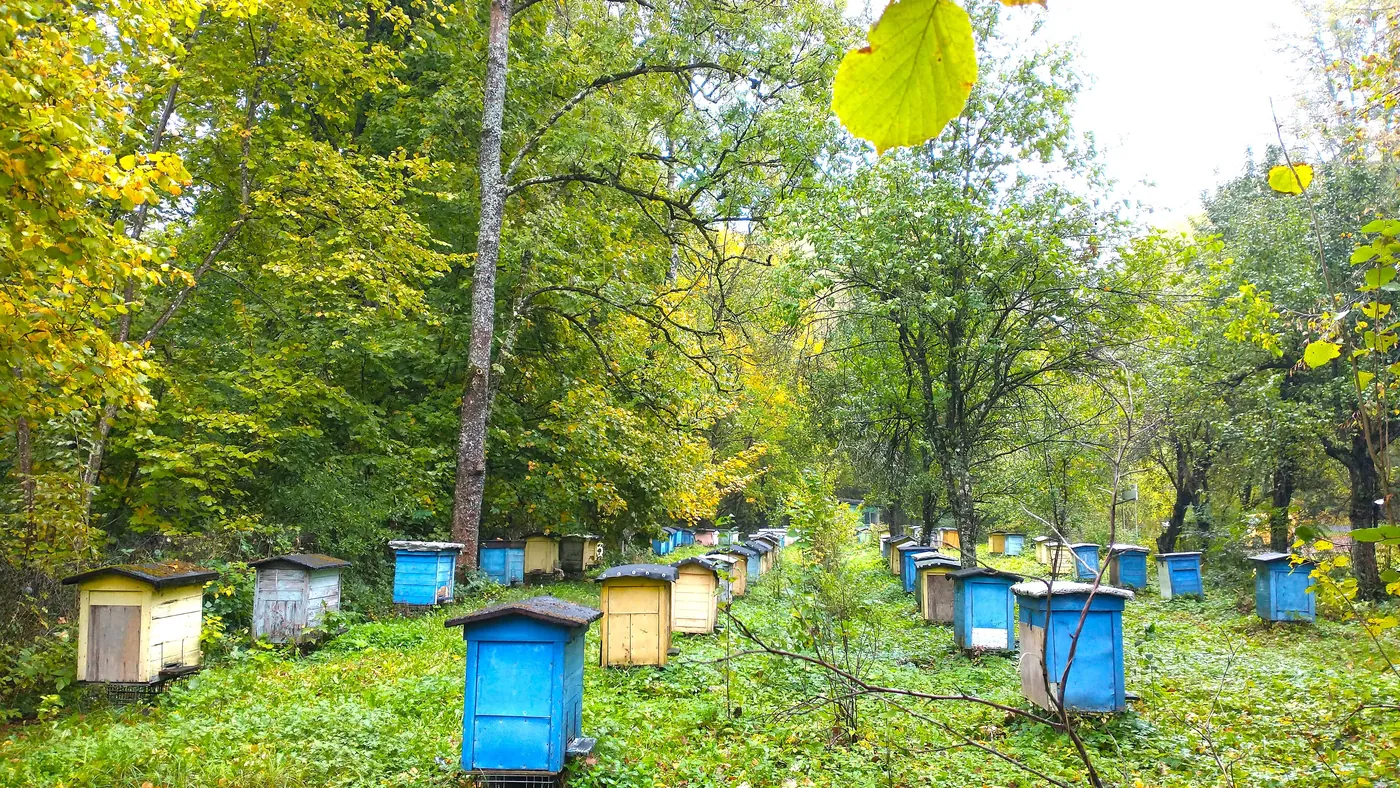
Winter jobs
The apiary rests in winter, but the beekeeper doesn't. Wintering itself is covered in our article on wintering bees. Apart from checking colonies, this is the time to prepare for the season:
- Rendering wax. Culled combs and cappings go into the wax melter; the wax can be traded for foundation.
- Preparing frames. Cleaning, wiring and fitting foundation — so you are not rushing in May.
- Repairs and cleaning. Hives, floors, feeders, spare boxes.
- Looking at dead bees. The amount and condition of dead bees tell a lot about wintering; if you suspect nosema or mites, send a sample to a lab.
- Planning. How many splits, which colonies get new queens, where to move hives for which flow.
For experienced beekeepers: plan by nature
An experienced beekeeper plans the season backwards from the local main flow. If the main forage is lime, peak egg laying should fall in the second half of May; if it is buckwheat or fireweed, the flow moves to July–August, so build-up can come later and spring is free for splits and queen rearing.
- Willow, coltsfootCleansing flight and inspectionCheck queens and stores, reduce the nest.
- Maple, birch in leafStart expandingDrawn comb into the nest; stimulative feeding if there is no forage.
- Dandelion, orchardsFoundation and drone framesComb building; pick the best colonies as breeders.
- Drones flying in numbersQueen windowStart queen cells, set up nucs and splits.
- Lime opensMain flowAll supers on, no splitting colonies.
- Weight stops risingFlow is overExtract, remove supers, treat for mites.
Migratory beekeeping lets you string several flows together: oilseed rape — lime — buckwheat or fireweed. Hives are moved at night when all bees are home, with open ventilation and securely strapped boxes, and set down before the bloom starts.
The best indicator of a flow starting and ending is a scale hive: a daily gain of 1–5 kg shows a forage plant is yielding, and when the weight stops rising, the flow is over. Inspection notes, queen dates and treatments for each hive are easy to keep in a beekeeping journal — after a couple of years they add up to your own local calendar, more accurate than any handbook.