Articles about bees
How a honey bee colony works, what to do in the apiary each month and how to help bees through winter. Clear for beginners, useful for experienced beekeepers.
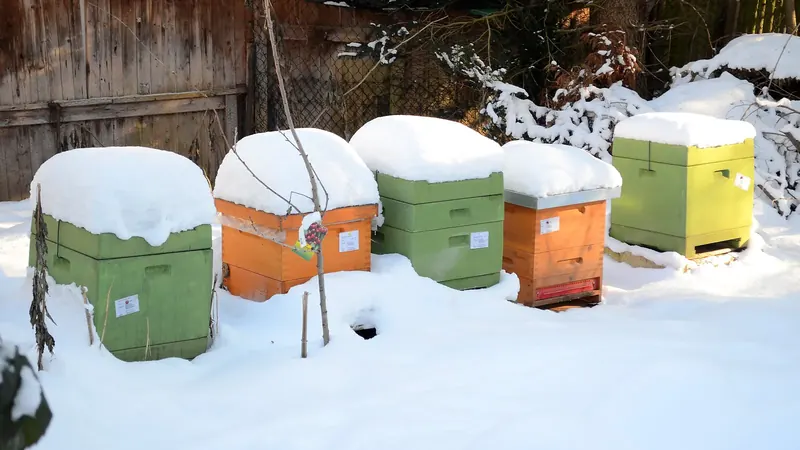 Wintering Bees: How to Prepare a Colony and Check It Without Opening
How the winter cluster keeps warm, how much food to leave, how to set up the nest and insulate the hive, and how to check colonies in winter without opening them.
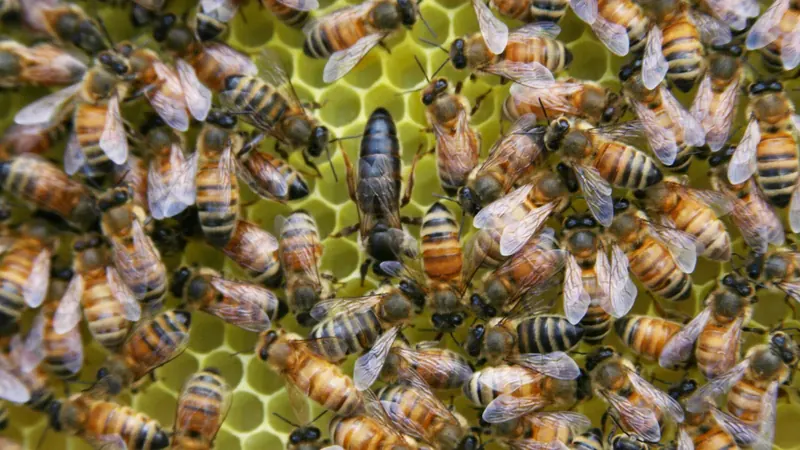 The Honey Bee Colony: Who Lives in the Hive and How It Works
Queen, workers and drones: 16, 21 and 24 days of development, worker jobs by age, the colony through the seasons and how to tell at an inspection that all is well.
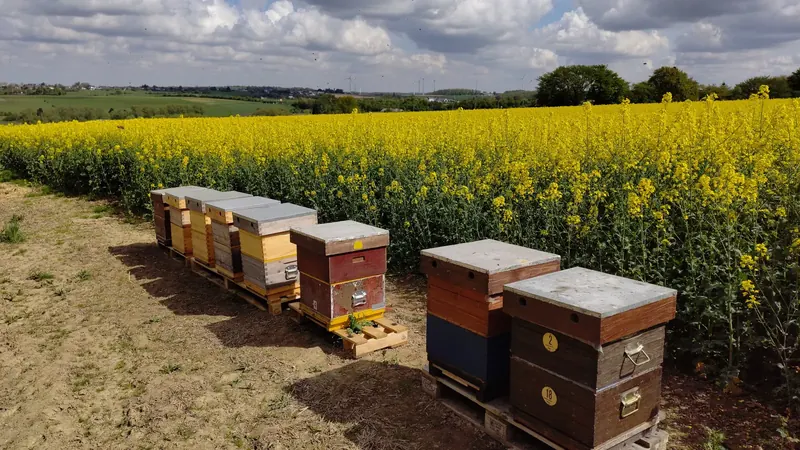 Beekeeping calendar: what to do in the apiary month by month
A month-by-month apiary calendar for temperate climates: spring inspection, swarm control, queen rearing, the main flow, harvest, mite treatment and winter prep.
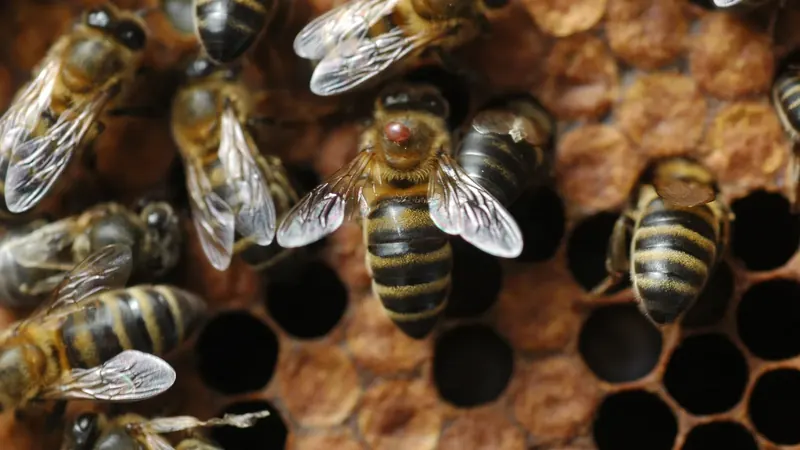 Varroa mites: how to count them and when to treat your bees
Varroa is the main reason colonies die over winter. How the mite breeds, how to measure infestation with an alcohol wash or sugar roll, which thresholds matter and when to treat.
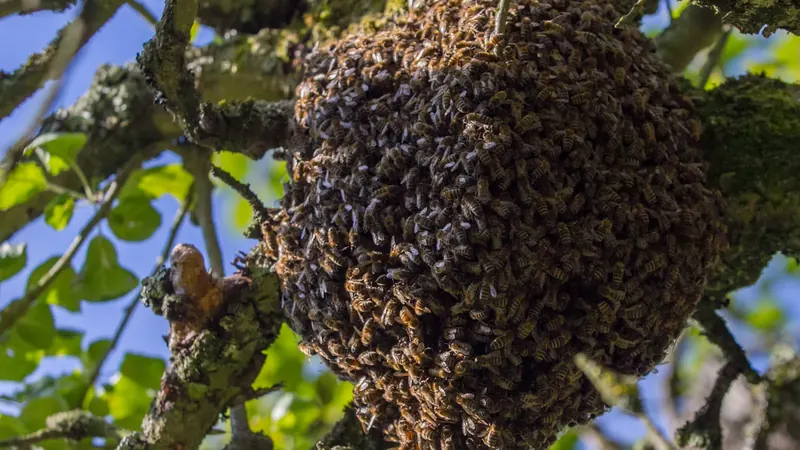 Honey bee swarming: signs, causes and how to prevent it
Why colonies swarm, how to read swarm cells and colony behaviour, how to catch and hive a swarm, and which swarm control methods actually work.
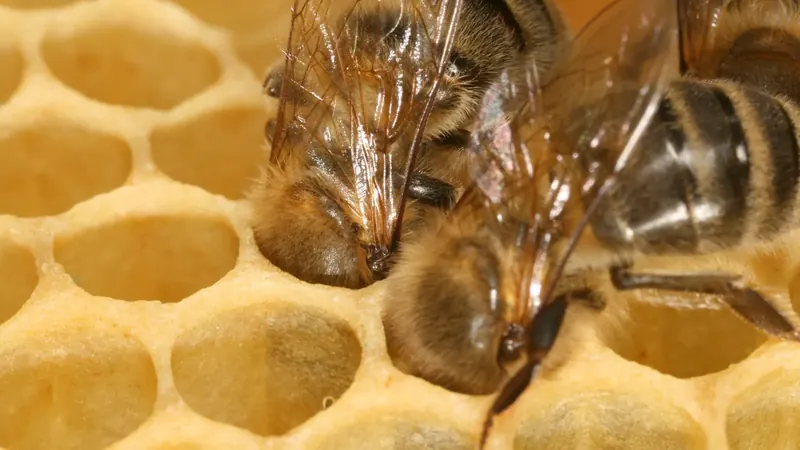 Bee language: dances, pheromones and sounds inside the hive
How honey bees use dances to point the way to flowers, why pheromones matter and what a hive's hum tells you. The science of von Frisch and Seeley, made practical.
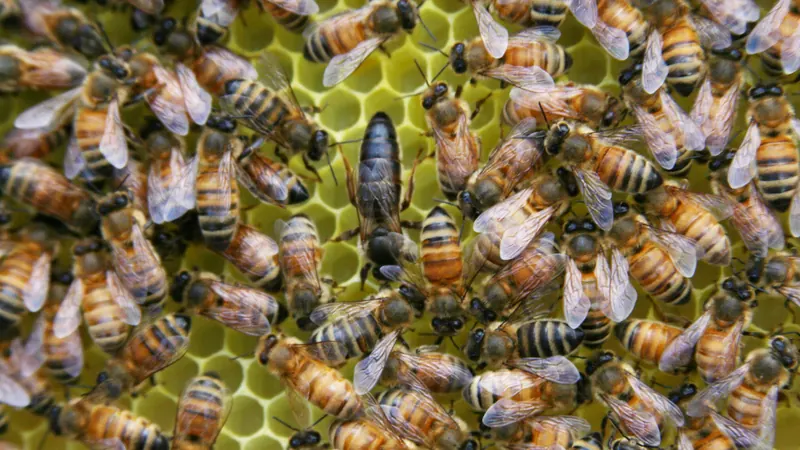 Honey bee breeds: the main races and where they are kept
Dark European, Carpathian, Carniolan, Italian, Caucasian and Buckfast bees: how the races differ in winter hardiness, swarming and temper, where each one is kept and how to pick bees that suit your climate.
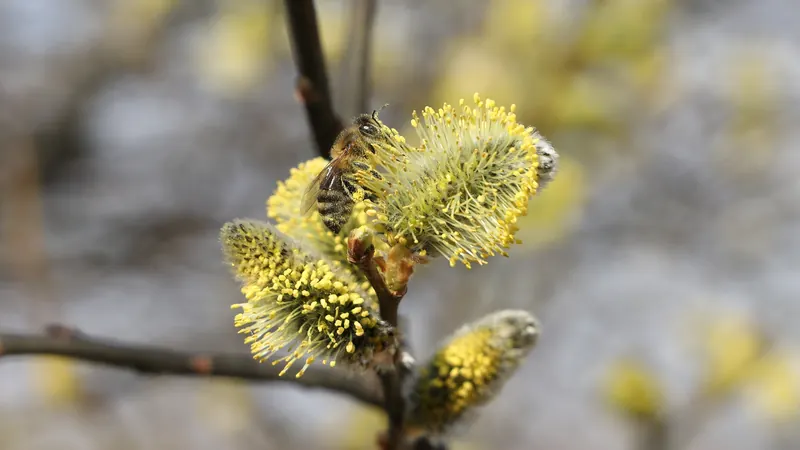 Spring honey plants: where the season begins
The plants that feed bees in spring, from coltsfoot and willow to orchards, dandelion and oilseed rape: bloom dates, nectar and pollen, honey yields per hectare, honey character and what a beekeeper should do for the early flow.
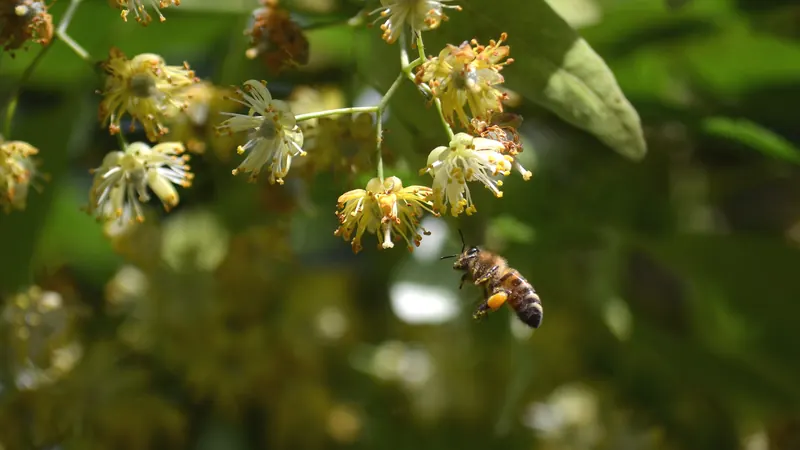 The main honey flow: summer nectar plants and how much honey they yield
Reading the main flow on a scale hive, the key summer nectar plants — lime, buckwheat, fireweed, sweet clover, phacelia, sunflower — with yields and bloom dates, flow types by region, the June dearth and migratory beekeeping.
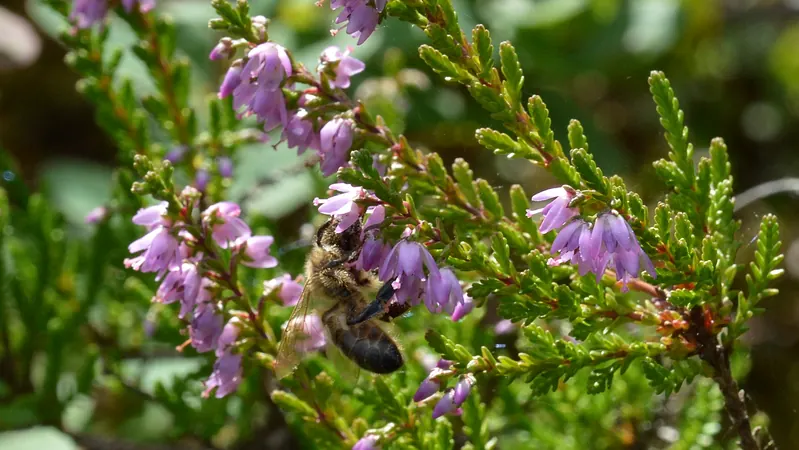 Late Honey Plants: Heather, Goldenrod and the Last Flow Before Winter
What flowers for bees from August to October: heather, goldenrod, phacelia and mustard cover crops, ivy, honeydew. Which autumn honey is safe for wintering, which must be replaced, and how the late flow helps raise winter bees.
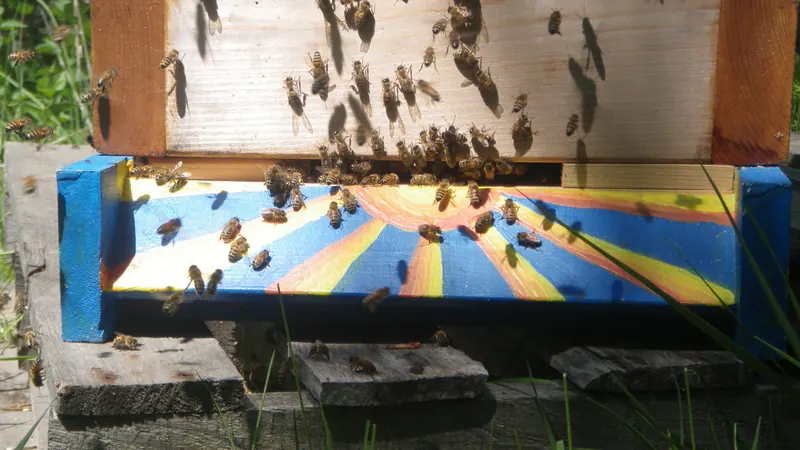 Nosema: spring dysentery in bees, how to diagnose it and what to do
Nosema is a gut parasite that weakens colonies and kills them after winter. How Nosema apis differs from Nosema ceranae, how to spot the disease at the entrance and in the gut, where to send a sample, how to treat it and keep it from coming back.
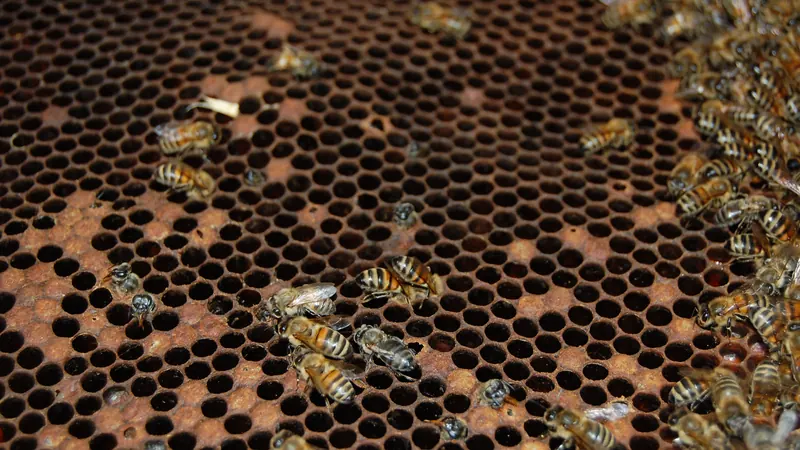 Foulbrood: American and European, how to recognise it and what the law requires
American and European foulbrood are bacterial brood diseases. Signs on the comb, the matchstick (ropiness) test, a comparison table with sacbrood and chilled brood, laboratory confirmation, quarantine, destruction and shook swarms, disinfection and prevention.
A question or your own experience?
Discuss the article with beekeepers in our Telegram group.